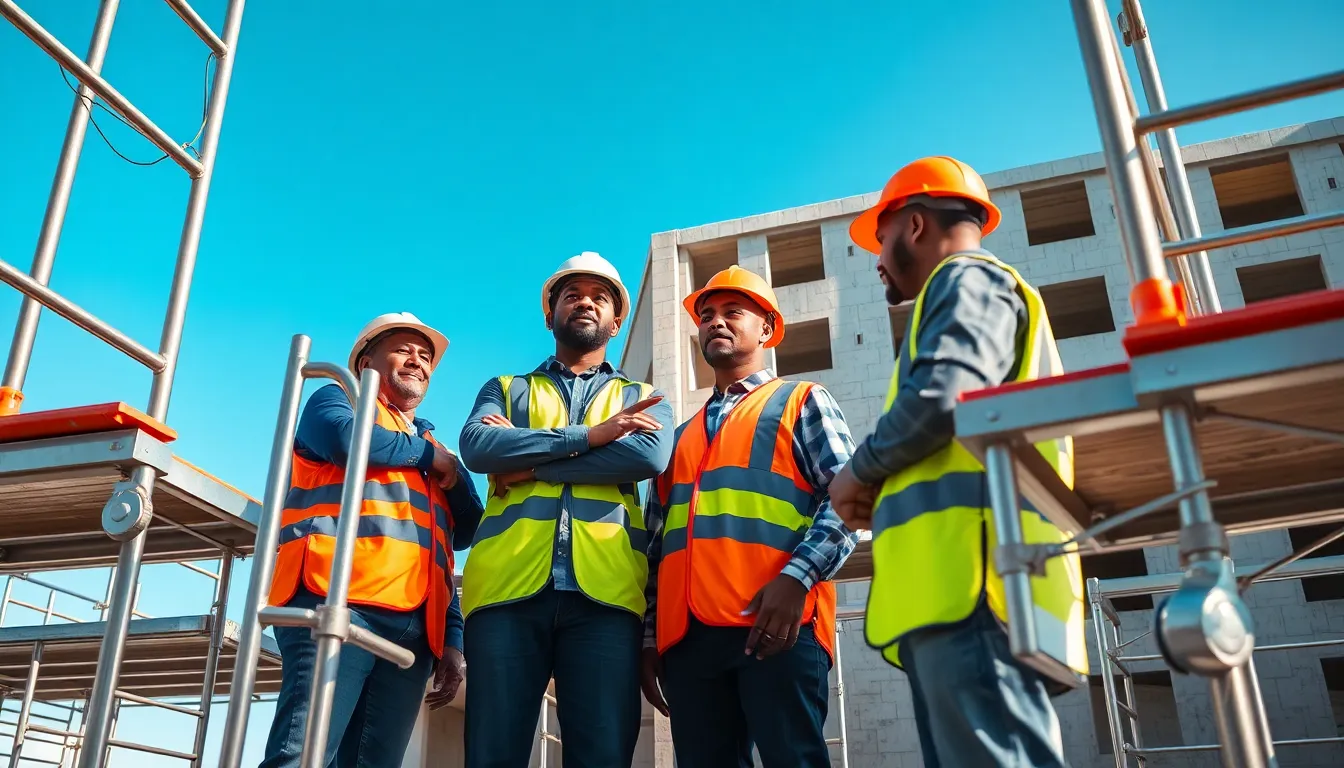
In the world of construction, a sturdy foundation is only the beginning. Enter metal tech scaffold accessories, the unsung heroes that help build, support, and elevate projects, literally. If you’ve ever tried balancing a towering cake on a flimsy plate, you can imagine the headaches scaffold users face. Luckily, with the right accessories, everything from safety to productivity can be taken to new heights. So, let’s explore the ins and outs of metal tech scaffolding, where every component plays a crucial role in making your job easier, safer, and a good deal more interesting.
Overview of Metal Tech Scaffolding
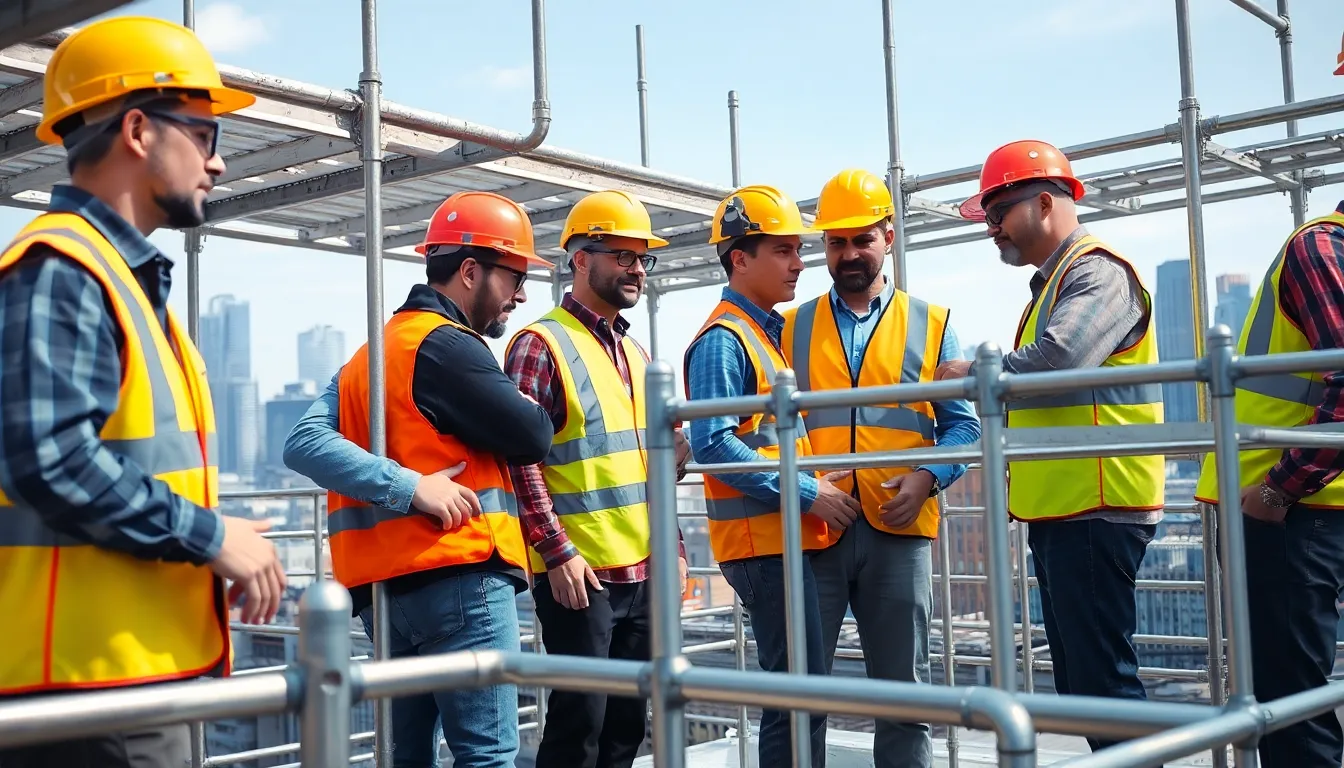
Metal tech scaffolding is a robust and versatile system designed for a wide range of construction applications. Made primarily from steel or aluminum, these scaffolds are engineered to provide the necessary support for workers and materials at various heights. The essential features often include modular components, easy assembly, and a weight distribution capability that ensures maximum stability.
With advancements in design, metal tech scaffolding has become increasingly popular on job sites. It’s not just about what meets the eye: the real magic lies in how these systems come together to offer safety and efficiency, turning daunting tasks into manageable ones. No more worrying about whether your scaffold will hold: with metal tech, you can confidently rely on the structural integrity to get the job done.
Types of Scaffold Accessories
The world of metal tech scaffold accessories is impressively vast. Here are some of the key types you might encounter:
Guardrails
Guardrails are essential for maintaining safety on any scaffold setup. They act as a first line of defense against falls, ensuring that workers can concentrate on the job instead of worrying about their footing.
Casters
These handy wheels make for easy mobility. Casters allow scaffolds to be moved effortlessly from one place to another. Just imagine the time saved when shifting equipment. Depending on the terrain, you can choose between locking and non-locking casters for added stability.
Platforms
While it may sound straightforward, platforms serve as the working surface of a scaffold. They come in various materials like plywood or metal and can support significant weight. Choosing the right platform is critical for balancing safety and productivity.
Couplers
These fittings are pivotal in securely connecting scaffold components. Couplers ensure that everything holds together tightly, offering structural reliability.
Extensions
Extensions allow scaffolds to reach new heights, literally. When sites require more elevation than standard scaffold setups provide, these accessories become invaluable.
Benefits of Using Metal Tech Accessories
Choosing metal tech scaffold accessories isn’t just a choice: it’s an investment with substantial returns. Here are some benefits worth noting:
Improved Safety
With features like guardrails and non-slip platforms, the risk of accidents dramatically decreases. It’s not merely about compliance: it’s about creating a workplace where safety is prioritized.
Enhanced Efficiency
Moving scaffold setups quickly and efficiently means less downtime. Tools like casters can drastically improve how fast teams can transition between jobs, turning mundane tasks into smooth operations.
Versatility
Metal tech accessories are designed to be compatible with multiple scaffold systems. This versatility allows for a nearly limitless combination of setups to fit different project requirements.
Improved Durability
Opting for metal pieces instead of other materials means better resistance to wear and tear. This durability can save companies from frequent replacement costs.
Choosing the Right Accessories for Your Project
When it comes to selecting accessories for your scaffold setup, a one-size-fits-all approach simply won’t cut it. Here are several factors to consider:
Assess Your Project Needs
Evaluate the scope of your work. Will the scaffold be indoors or outdoors? Will you need extra height? Answering these questions will narrow down your accessory options.
Consider Weight Capacity
Make sure that the accessories can handle the loads they’ll need to support. Checking the manufacturer’s specifications helps prevent overloading scenarios.
Evaluate Compatibility
Ensure that the accessories are compatible with the existing scaffold system. Mixing and matching without proper understanding can lead to instability.
Consult Experts
Don’t hesitate to seek advice from professionals in the field. Many experienced scaffold users have valuable insights that can save time and resources.
Safety Considerations When Using Scaffold Accessories
Regardless of how effective your scaffold system is, safety must remain the top priority. Here are crucial safety considerations:
Regular Inspections
Before utilizing scaffolds, perform a thorough inspection of all components. Checking for rust, cracks, or loose connections can help catch issues before they lead to accidents.
Training
Proper training for all employees will ensure everyone understands how to use the scaffold accessories correctly. A well-informed crew is a safe crew.
Follow Regulations
Adhering to OSHA guidelines and other regulatory standards isn’t optional: it’s a must. Familiarize yourself with local safety regulations to ensure compliance.
Maintenance and Care of Scaffold Accessories
Keeping metal tech scaffold accessories in top condition enhances their lifespan and ensures safety. Here are some best practices:
Clean Regularly
Debris and dirt can accumulate over time, leading to wear and tear. Regular cleaning keeps accessories functional, safe, and ready for use.
Store Properly
When not in use, store scaffolds in a dry area to prevent rusting. Keeping them organized also saves time on the job site.
Schedule Inspections
Plan regular maintenance checks to catch any wear and tear early. Make it part of your routine to ensure all components remain safe and reliable.